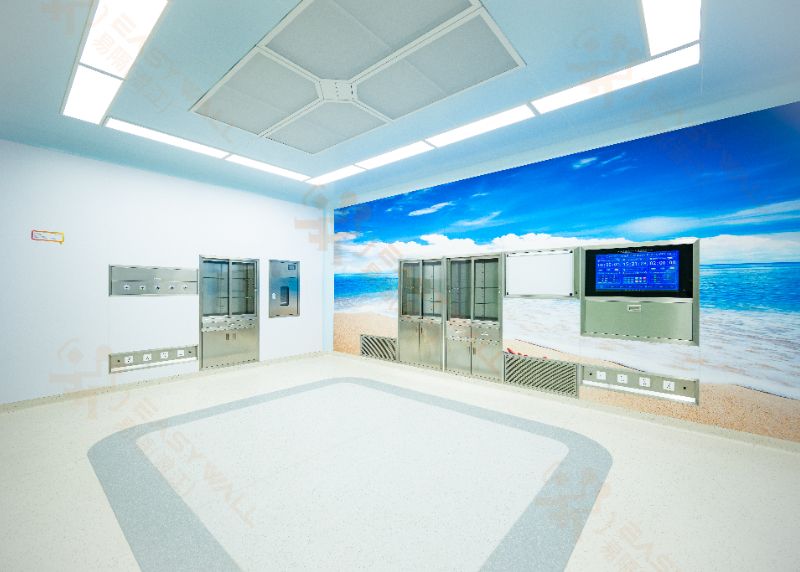
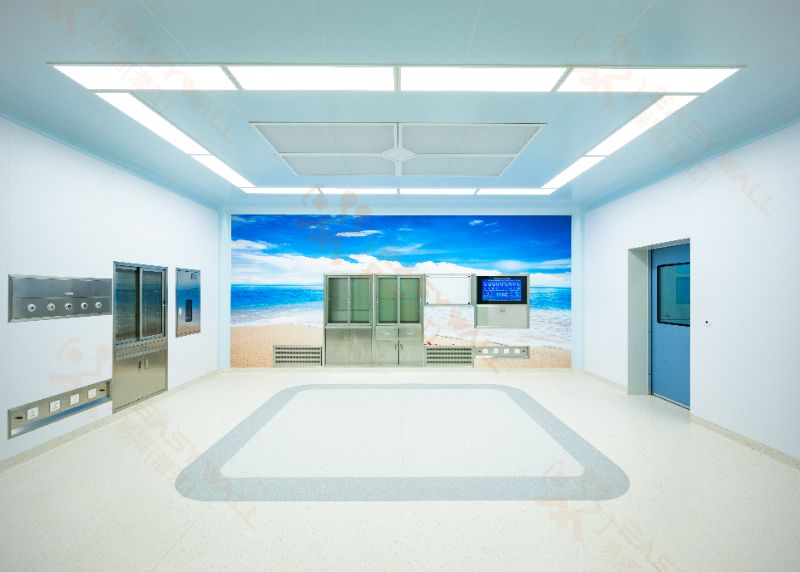
When it comes to establishing a cleanroom environment, aligning the cleanroom panel type with your ISO classification requirements is paramount. This process can seem overwhelming, but rest assured, I’ve broken it down into clear, actionable steps that will not only help you meet compliance but also enhance your operational efficiency. Whether you're setting up a new facility or upgrading an existing one, following these guidelines will ensure you make the right choices.
Understand ISO Cleanroom Classifications:
ISO classifications range from ISO Class 1 (cleanest) to ISO Class 9 (least clean), depending on the acceptable level of airborne particulates. Begin by assessing which ISO classification is required for your operations. For example, if you’re in the semiconductor industry, you might need ISO Class 5 panels that provide a controlled environment with minimal particles.
Select Appropriate Cleanroom Wall Panels:
The primary options for cleanroom wall panels include:
Evaluate your facility's needs against the panel types. For instance, если you’re aiming for ISO Class 7, Durable Foam Core Panels with a non-porous surface could efficiently manage cleanliness.
Check Compliance with Standards:
Confirm that your selected panels meet testing standards, such as ASTM and DIN. For instance, ASTM C1193 mandates standards for the installation of cleanroom wall panels to ensure durability and cleanliness.
Consider the Installation Environment:
The area where panels will be installed plays a critical role in their selection. Moisture-rich or chemically sensitive environments may benefit from corrosion-resistant materials. Ensure you evaluate local environmental conditions to choose appropriately.
Evaluate Insulation and Soundproofing Needs:
Depending on your cleanroom purpose, you might want panels that offer thermal insulation or sound attenuation. For high-precision labs, I recommend panels with high R-values for better climate control.
Incorporate Quality Control Measures:
Ensure you employ rigorous quality control measures during installation. Implement a 100% inspection protocol to assure panel alignment and finish integrity. Utilize precision measurement tools, ensuring tolerance down to 0.01mm to prevent particle accumulation.
Even with a clear plan, challenges may arise. Involving multiple stakeholders in decision-making can complicate panel selection. To mitigate this, I recommend creating a clear comparison table outlining the attributes of various panel types with respect to ISO requirements. This visual tool not only simplifies discussions but also aids in achieving consensus.
Potential delays in delivery or installation inconsistencies can also impede progress. Prepare by sourcing panels from reputable vendors like Easywall, which specializes in modular cleanroom solutions. Ensure you maintain a 24-hour response time for any inquiries or issues that may arise during installation.
To streamline your cleanroom panel selection and installation process, consider the following tools:
Matching cleanroom panel types to ISO classification requirements is not only about compliance but also enhancing operational efficiency. By understanding ISO classifications, selecting the right materials, and maintaining rigorous quality control measures, you can create a reliable cleanroom environment that supports your business's specific needs.
To recap:
Implement these steps with diligence, and you’ll position your cleanroom for success. By leveraging proven practices, such as those provided by Easywall, you’re not just selecting panels; you're investing in the integrity and efficiency of your operations. Take action now to ensure your cleanroom meets the highest standards!
最新ニュース
How to Choose the Right Cleanroom Panel Core Material?
 Sep. 29, 2026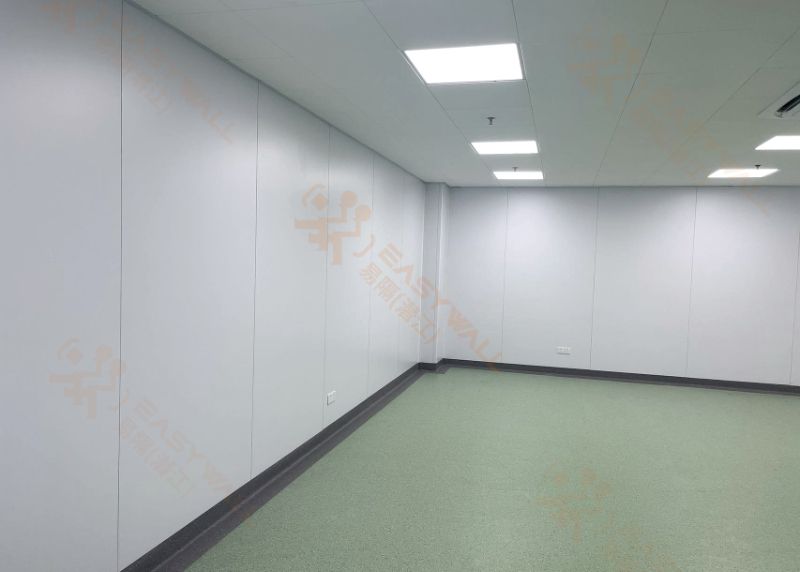
PCGI vs. Stainless Steel vs. HPL Cleanroom Panel Surface Coatings
Sep. 28, 2026 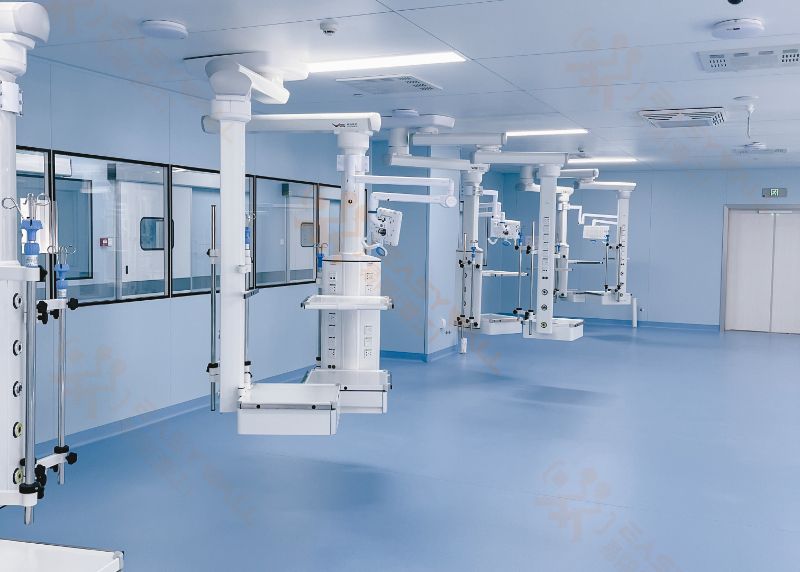
How cleanroom Panel Thickness Affects Cleanroom Performance?
Sep. 25, 2026 
How Cleanroom Panels Support Contamination Control?
Sep. 23, 2026 
VHP Sterilization: Panel Coating Resistance
Sep. 21, 2026 24 時間以内にご連絡いたします。または、毎日午前 9 時から午後 12 時までお電話ください。
+86 139 6255 5162
見積もりを依頼する
技術革新、製品の品質は企業の魂、市場の需要顧客満足度は企業の命
 English
  Chinese (Simplified)
  French
  Russian
  Portuguese