Choosing a Cleanroom Panel Company China is not simply a matter of comparing panel prices. A reliable Cleanroom Panel Manufacturer should help you select the right cleanroom wall panels, validate the room against ISO 14644-1, and control risks during modular cleanroom construction. This guide explains how to choose a GMP cleanroom panel manufacturer, what documents to request, how to compare technical specifications, and how to avoid failures such as air leakage, condensation, delamination, and delayed installation.
Many buyers start with a quotation and only discover later that the panel core does not meet the required fire rating, the joint system cannot maintain pressure differentials, or replacement panels are unavailable. The safer approach is to evaluate the manufacturer through ten practical questions covering materials, testing, design, production, installation, quality control, delivery, and after-sales support.
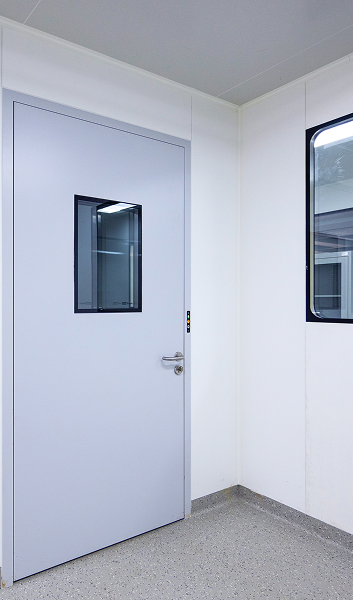
A cleanroom envelope is part of the contamination-control system. It separates the controlled environment from surrounding areas and supports pressure cascades, cleaning procedures, temperature control, and particle management. A panel that looks flat and clean may still fail because of:
For pharmaceutical, biotechnology, medical-device, electronics, and food-processing projects, the manufacturer must understand both construction and contamination control. The lowest initial price can become expensive if it causes rework, failed commissioning, or production downtime.
Before requesting quotations, prepare the information below. A manufacturer can only provide a meaningful technical and commercial proposal when the design conditions are defined.
Use a written comparison table rather than comparing only the price per square meter. The table should include panel thickness, core density, U-value, fire classification, coating thickness, joint design, warranty duration, delivery time, installation scope, test documentation, and spare-parts availability.
Useful technical tools include a laser distance meter, calibrated pressure gauge, smoke pencil, infrared thermometer, coating-thickness gauge, and a checklist based on ISO 14644-1. During final inspection, these tools can help identify dimensional errors, visible leakage paths, thermal bridges, and incomplete sealing.
Ask for project references that match your application, not just photographs of attractive rooms. A manufacturer experienced in office partitions may not understand the requirements of a sterile pharmaceutical room or a high-humidity food-processing area.
Request at least three comparable references and ask for:
What to verify: The manufacturer should be able to explain how it handled ceiling suspension, service penetrations, pressure cascades, coved junctions, door interfaces, and cleaning validation. Generic claims such as “we have many projects” are not sufficient evidence.
Cleanroom panels commonly use steel skins with a core made from rock wool, PIR, EPS, aluminum honeycomb, or other engineered materials. Each option has different performance characteristics.
| Core or construction | Typical advantage | Important limitation or question |
|---|---|---|
| Rock wool | Good non-combustibility potential and acoustic performance | Confirm water resistance, density, edge treatment, and tested assembly |
| PIR | Low thermal conductivity and reduced panel thickness for a given insulation value | Confirm fire classification for the complete panel system, not only the foam sample |
| EPS | Lower material cost and easy processing | May not satisfy higher fire-performance requirements; check local codes |
| Aluminum honeycomb | Low weight and high dimensional stability in some applications | Usually higher cost; verify impact resistance and joint details |
Ask for the complete cross-section drawing. It should identify skin thickness, coating system, adhesive, core density, joint profile, cam-lock or concealed fixing method, and sealant. A specification such as “50 mm sandwich panel” is incomplete without these details.
Do not rely only on a brochure. Request reports issued by an accredited or recognized laboratory for the actual product configuration. The report should identify the panel thickness, core, skins, joint, sealant, and test method.
Depending on the project, relevant evidence may include:
A test certificate for a raw insulation material is not automatically proof that the completed cleanroom panel assembly has the same rating.
Surface selection must reflect the actual cleaning program. Pharmaceutical and medical areas may use hydrogen peroxide vapor, peracetic acid, quaternary ammonium compounds, alcohols, chlorine-based disinfectants, or alkaline detergents. Repeated exposure can discolor, soften, blister, or corrode an unsuitable coating.
Ask the manufacturer to review:
For steel skins, confirm the coating type and thickness. For example, a polyester coating and a fluoropolymer coating do not provide identical chemical resistance. The correct choice should be supported by a chemical-resistance table or test evidence rather than the phrase “easy to clean.”
Panel joints are one of the most important details in a cleanroom envelope. The design should limit ledges, exposed fasteners, cavities, and dust traps. Depending on the system, joints may use tongue-and-groove profiles, cam-lock connections, silicone seals, EPDM gaskets, or a combination of these methods.
Ask for a full-size joint sample and inspect:
As a practical benchmark, the cleanroom should be capable of maintaining the design pressure differential without excessive fan energy. The exact leakage limit depends on the project specification, but the acceptance criteria should be written before installation. A smoke-pencil check can locate visible leakage, while pressure-decay or calibrated airflow testing provides quantitative evidence.
A cleanroom panel supplier should provide more than flat panels. Doors, observation windows, pass boxes, return-air openings, light fittings, sprinkler penetrations, HVAC terminals, electrical boxes, and process utilities all affect the integrity of the envelope.
Request coordinated shop drawings showing:
At this stage, Easywall or any other shortlisted supplier should identify responsibility boundaries clearly. For example, the panel manufacturer should state whether it supplies sealant, trims, fire stopping, door hardware, ceiling hangers, and final touch-up materials.
Reliable production is based on documented inspection rather than visual confidence. Ask how the manufacturer controls incoming materials, adhesive application, lamination pressure, panel thickness, dimensional tolerance, coating quality, and final packing.
Useful records include:
For a large project, arrange a factory inspection before shipment. Measure random panels rather than selecting only the best-looking sample. Check edge squareness, corner damage, joint fit, skin flatness, protective film adhesion, and identification labels.
Delivery delays often result from incomplete drawings, late approvals, missing accessories, or poor packaging rather than manufacturing capacity alone. Ask for a realistic schedule divided into design approval, material procurement, production, inspection, packing, shipment, and site delivery.
Confirm these details in writing:
Panels should be protected from rain, standing water, impact, and prolonged sunlight during transport and storage. Packaging should prevent edge crushing and allow the installation team to identify each panel without opening every package.
Even a correctly manufactured panel can fail if the installation team cuts corners. Ask whether the supplier provides site supervision, installation drawings, method statements, toolbox training, and inspection checklists.
A controlled installation sequence normally includes:
Commissioning may include visual inspection, pressure-differential verification, airflow testing, smoke visualization, recovery testing, temperature and humidity checks, and airborne-particle classification under ISO 14644-1. The panel manufacturer may not perform every test, but it should cooperate with the cleanroom contractor and validation team.
Ask what the warranty covers and what it excludes. A useful warranty should define the period, material defects, coating failure, delamination, hardware defects, and response time. It should also state whether labor, travel, replacement materials, and shipping are included.
Request a spare-parts and repair policy for:
A manufacturer that cannot supply matching panels two or three years after installation creates a long-term maintenance risk. Record the product code, coating batch, panel dimensions, and installation date in the facility asset register.
Write down the room classification, pressure cascade, temperature, humidity, cleaning chemicals, fire requirements, panel height, ceiling loads, and expected service life. Separate mandatory requirements from preferences so that suppliers cannot win the project by omitting essential features.
Shortlist three to five manufacturers with experience in your industry and region. Check company registration, production location, export history, certifications, project references, and the availability of technical personnel.
Issue identical drawings, room schedules, specifications, and delivery conditions. Require each bidder to submit a compliance matrix showing “compliant,” “deviation,” or “not offered” for every requirement.
Remove quotations that do not clearly state core material, skin thickness, coating, fire performance, joint construction, accessories, installation scope, and testing responsibility. A low price based on missing components is not a genuine cost advantage.
Review a full-size corner, wall-to-ceiling joint, door frame, window frame, and service penetration. If possible, inspect production and randomly measure finished panels. Record findings with photographs and signed inspection sheets.
Do not begin mass production from a quotation sketch. Approve coordinated shop drawings and, for complex projects, construct a mock-up of a typical room corner with a door, window, ceiling, and utility penetration.
Inspect dimensions, surfaces, joint fit, labels, accessories, packaging, and documentation before shipment. The inspection report should list accepted quantities, rejected items, corrective actions, and release authorization.
Protect panels from moisture and impact, verify the reference line, maintain clean gloves during handling, and prevent drilling dust from entering finished areas. Photograph concealed seals before closing inaccessible sections.
Collect as-built drawings, material certificates, fire reports, cleaning instructions, warranty documents, spare-parts lists, and installation records. Coordinate final room testing with the HVAC and validation teams.
In an anonymized pharmaceutical expansion project, the buyer initially compared suppliers using only panel price per square meter. The lowest quotation excluded ceiling reinforcement, door interlocks, and final joint sealing. During installation, the contractor found that several equipment openings had not been included in the panel layout. The result was approximately two weeks of rework and additional material costs.
The revised procurement process required a compliance matrix, coordinated shop drawings, a full-size corner mock-up, and a written division of responsibilities. The selected supplier provided numbered panels and pre-cut openings. The project team reported that installation productivity improved from approximately 18 square meters per crew-day during the rework phase to about 30 square meters per crew-day after the layout was corrected. The main lesson was that drawing coordination and accessory inclusion can affect project cost more than a small difference in panel price.
In another anonymized user case, a medical-device facility experienced yellowing and localized coating damage after frequent cleaning with a chlorine-based disinfectant. The original specification said only “white coated steel panel,” without naming the coating chemistry or defining concentration and contact time.
The corrective action included chemical-compatibility testing, replacement of damaged trims, and a revised cleaning procedure. The replacement specification defined the coating system, minimum coating thickness, approved disinfectants, maximum concentration, and contact time. This case demonstrates why a reliable cleanroom panel manufacturer must review the cleaning protocol before recommending a surface finish.
Problem: The quotation excludes trims, sealant, ceiling suspension, doors, windows, or installation.
Solution: Compare the total installed cost using a line-by-line bill of materials and a responsibility matrix.
Problem: The supplier states that the core is “fireproof” but provides no report for the complete panel assembly.
Solution: Request a test report identifying the exact thickness, joint, skins, core, and test standard. Obtain approval from the local fire consultant.
Problem: Coatings, gaskets, and sealants deteriorate after routine disinfection.
Solution: Provide the actual chemical list and concentrations before the material is approved. Require written compatibility confirmation or laboratory evidence.
Problem: HVAC terminals, electrical boxes, sprinkler heads, and process pipes conflict with panel joints or ceiling suspension.
Solution: Use coordinated architectural, HVAC, electrical, process, and panel drawings. Approve a reflected ceiling plan before production.
Problem: Panels appear acceptable individually but create uneven joints and misaligned doors when installed.
Solution: Define dimensional tolerances, flatness, joint width, door alignment, and acceptable surface defects in the purchase specification.
Problem: The installer leaves exposed screws, unsealed penetrations, rough corners, or dust-collecting ledges.
Solution: Use cleanroom-specific installation procedures, approved sealants, flush details, and documented inspection points.
Problem: Damaged panels or door hardware cannot be matched after the warranty period.
Solution: Obtain product codes, coating information, spare panels, replacement hardware, and a long-term service commitment.
A weighted scorecard makes supplier selection more objective. The following example can be adjusted to suit the project:
| Evaluation category | Suggested weight |
|---|---|
| Technical compliance and material suitability | 25% |
| Testing, certifications, and traceability | 15% |
| Relevant project experience | 15% |
| Shop drawings and coordination capability | 10% |
| Production capacity and quality control | 10% |
| Installation and commissioning support | 10% |
| Lead time and logistics | 5% |
| Total cost of ownership and warranty | 10% |
Set minimum pass conditions for critical items. For example, a supplier without the required fire documentation or chemical-compatibility evidence should not pass simply because it receives a high price score.
The best cleanroom panel manufacturer in China or any other market is not necessarily the one offering the lowest unit price. Choose the supplier that can prove material performance, coordinate the complete cleanroom envelope, provide traceable production records, support controlled installation, and respond when the facility needs replacement parts.
Before signing a purchase order, confirm ten items: relevant references, panel construction, independent test reports, chemical compatibility, joint airtightness, coordinated accessories, quality control, delivery packaging, installation support, and warranty service. Put every technical assumption into the contract, including fire classification, surface coating, dimensional tolerances, documentation, inspection rights, and acceptance testing.
When these checks are completed, Easywall and other qualified suppliers can be compared on equal terms. A properly specified modular cleanroom with a tested sandwich panel envelope, controlled thermal transmittance/U-value, and documented ISO 14644-1 commissioning requirements gives the project a measurable basis for quality rather than relying on marketing adjectives.
Ask whether the manufacturer can provide test evidence and project references for the exact panel construction proposed. The evidence should cover the core, skin, coating, joint, sealant, fire performance, and intended operating environment.
There is no universal thickness. The selection depends on thermal performance, fire requirements, structural span, acoustic needs, ceiling height, humidity, and project regulations. Common systems may use approximately 50 mm to 150 mm panels, but the final choice should be based on calculated performance rather than a standard catalog size.
Neither is automatically better. PIR can provide lower thermal conductivity at a lower thickness, while rock wool may offer strong fire and acoustic characteristics. Compare the tested assembly, fire classification, moisture behavior, chemical environment, structural requirements, and local code.
Inspect the joint continuously from floor to ceiling, verify the sealant or gasket installation, and check corners and penetrations. A smoke-pencil test can identify visible air movement, while calibrated pressure or airflow testing provides more reliable quantitative results.
Not always, but the manufacturer should provide approved installation drawings, method statements, training, and inspection support. For complex pharmaceutical or sterile projects, manufacturer supervision can reduce errors at doors, corners, ceilings, and service penetrations.
Request approved shop drawings, product data sheets, material certificates, fire reports, coating information, installation manuals, inspection records, packing lists, warranty terms, cleaning instructions, spare-parts lists, and as-built documentation.
Normalize the quotations first. Check whether every supplier includes the same panel thickness, core, skin, coating, trims, sealant, doors, windows, ceiling system, delivery, installation, testing, and warranty. Then compare technical compliance, total installed cost, lead time, and future maintenance support.
Some modular systems can be dismantled and reused, but the result depends on the joint design, panel condition, sealant, cutting history, and replacement availability. Ask the manufacturer for a relocation procedure and confirm whether reused panels remain within dimensional and hygienic requirements.
最新ニュース
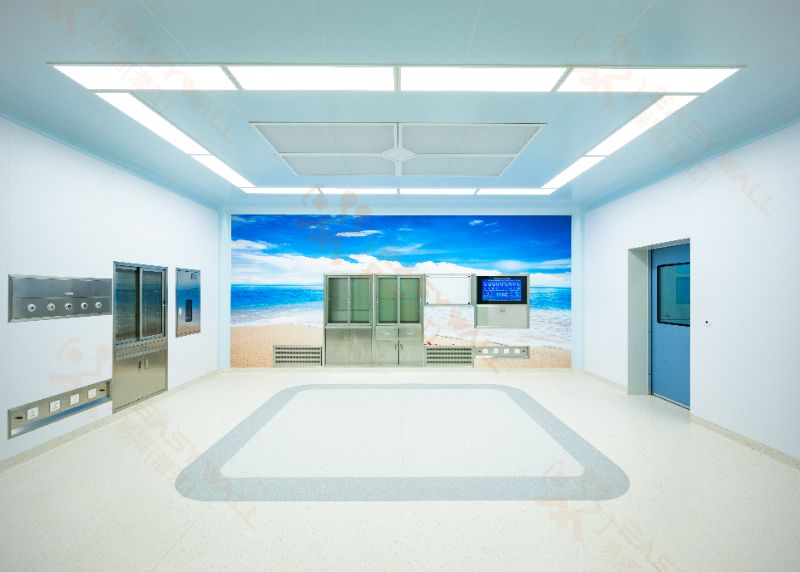
How to Choose the Right Cleanroom Panel Core Material?
 Sep. 29, 2026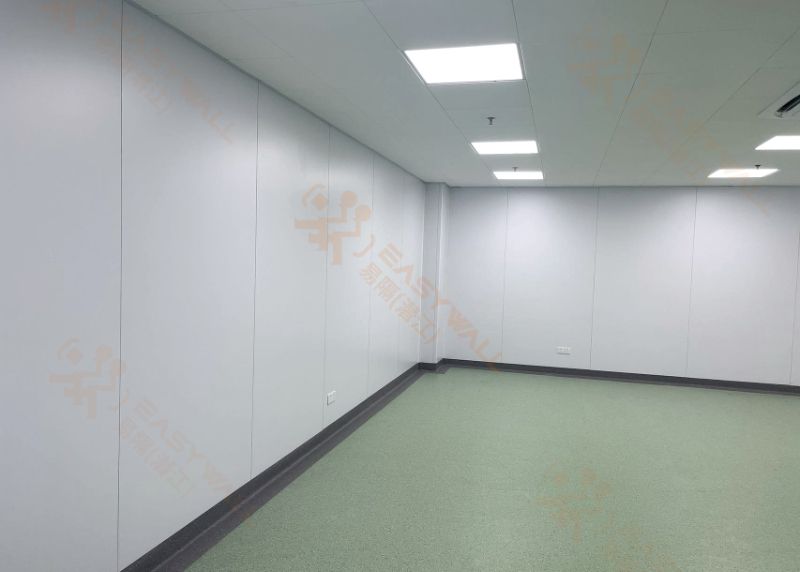
PCGI vs. Stainless Steel vs. HPL Cleanroom Panel Surface Coatings
Sep. 28, 2026 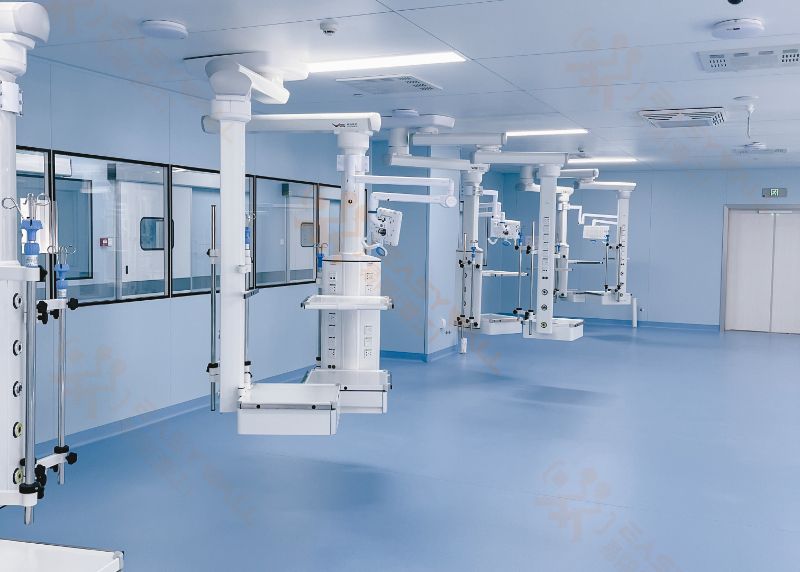
How cleanroom Panel Thickness Affects Cleanroom Performance?
Sep. 25, 2026 
How Cleanroom Panels Support Contamination Control?
Sep. 23, 2026 
VHP Sterilization: Panel Coating Resistance
Sep. 21, 2026 24 時間以内にご連絡いたします。または、毎日午前 9 時から午後 12 時までお電話ください。
+86 139 6255 5162
見積もりを依頼する
技術革新、製品の品質は企業の魂、市場の需要顧客満足度は企業の命
 English
  Chinese (Simplified)
  French
  Russian
  Portuguese