Introduction
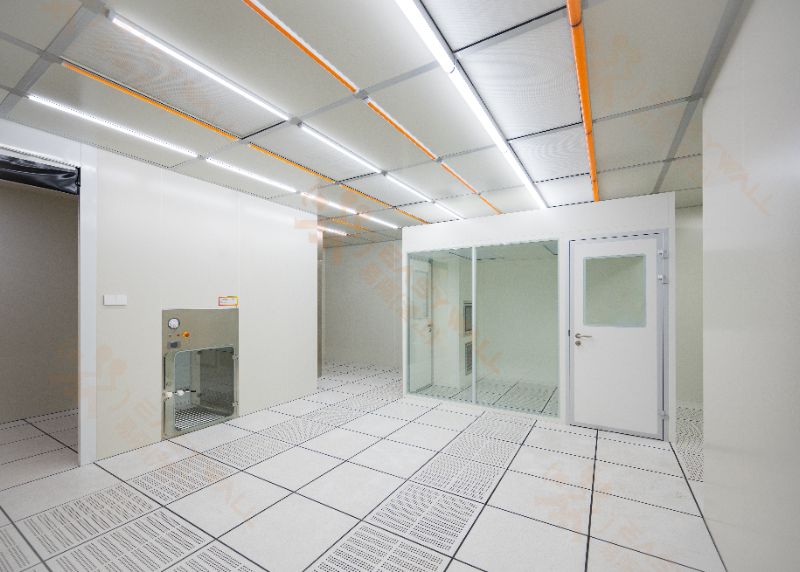
Cleanroom wall panels face unique challenges in maintaining safety and compliance. The fire rating and chemical resistance of these panels are critical factors to consider. Many industries rely on cleanrooms. These include pharmaceuticals, biotechnology, and electronics manufacturing. Ensuring that cleanroom panels meet proper fire and chemical standards protects both personnel and products. This includes preventing catastrophic failures and ensuring the integrity of highly sensitive operations.
Summary Answer
The **fire rating and chemical resistance of cleanroom panel materials must meet strict industry standards**. This is essential for protecting workers and products. Various materials are available that combine these properties, ensuring safety in cleanroom environments.
1. Importance of Fire Rating
Fire rating is crucial for cleanroom panels. It determines how well the material can withstand fire without spreading it.
1.1 Industry Standards
Different standards exist, like ASTM E84 for flame spread. Cleanroom panels typically need to be Class A rated. This means they have a lower flame spread index.
1.2 Safety Measures
Utilizing fire-rated panels helps in improving overall safety. Many cleanroom facilities also incorporate fire alarms and sprinklers. The cost of safety is minimal compared to the potential losses from a fire incident.
2. Chemical Resistance Requirements
Chemical resistance in cleanroom panels protects against various substances. These can include solvents, acids, and other harsh chemicals.
2.1 Material Types
Different materials offer varying levels of chemical resistance. For instance, fiberglass-reinforced panels are known for their resilience against most chemicals.
2.2 Testing and Certification
Cleaning and maintenance processes often use strong chemicals. Regular testing of chemical resistance ensures that panels maintain their integrity.
3. Selecting the Right Panel Material
Picking the right material is essential for ensuring both fire safety and chemical resistance in cleanrooms.
3.1 Evaluating Needs
Before selecting materials, assess the specific requirements of the cleanroom environment. Does your cleanroom handle corrosive chemicals or face high fire risks?
3.2 Comparative Table
Consider this comparison table of cleanroom panel materials:
| Material |
Fire Rating |
Chemical Resistance |
| Polyurethane |
Class B |
Moderate |
| Fiberglass |
Class A |
High |
| Steel |
Class A |
Low |
4. Installation and Maintenance Practices
Proper installation and ongoing maintenance are vital for cleanroom conditions.
4.1 Installation Steps
When installing cleanroom panels, follow these steps:
1. Prepare the area and ensure it is clean.
2. Measure and cut the panels accurately.
3. Secure all panels with appropriate fasteners.
4. Seal joints to prevent contamination.
4.2 Regular Maintenance
Establish a routine inspection plan. Monitor for any signs of wear or chemical damage. Regularly cleaning panels keeps them safe and effective.
Conclusion
In summary, understanding the fire rating and chemical resistance requirements for cleanroom panel materials is essential. It helps ensure safety and compliance while protecting products and personnel. Selecting the right materials and maintaining them not only meets industry standards but also enhances the efficiency of cleanroom operations.
FAQ
What is the purpose of fire ratings in cleanrooms?
Fire ratings determine how well materials can resist fire spread. This protects the cleanroom environment and its occupants.
Why is chemical resistance necessary for cleanroom panels?
Chemical resistance keeps the panels intact against harmful substances. It ensures cleanrooms function effectively without contamination.
How often should cleanroom panel materials be inspected?
Regular inspections should occur at least quarterly or after significant cleaning procedures.
What types of materials are generally used for cleanroom panels?
Common materials include polyurethane, fiberglass, and steel, varying in fire ratings and chemical resistance.
Can cleanroom panels be repaired if damaged?
Yes, many cleanroom panels can be repaired depending on the type of damage and material used.
What factors should be considered when selecting cleanroom panels?
Consider fire rating, chemical exposure, ease of maintenance, and compliance with industry standards.
 Sep. 29, 2026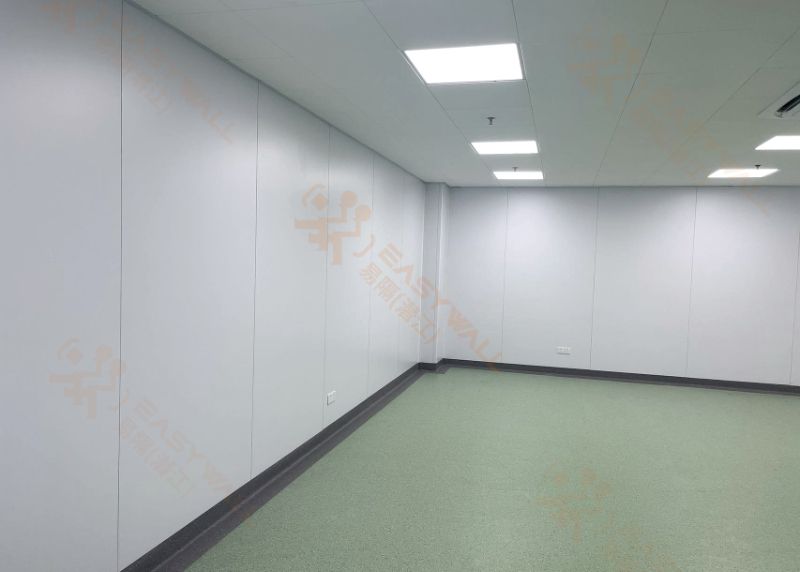
 English
  Chinese (Simplified)
  French
  Russian
  Portuguese